CANASTA COUNTS DOWN THE BEST STUFF OF 2012
Part IX: Matt Priest’s Top Ten TV Shows
10. Treme (HBO)
Treme still values mood and music over drama, but as always, its quirky, defiant characters
band together to create a setting I’m always more than happy to settle into.

9. Mad Men (AMC)
It’s official: the guilty pleasure argument is over. Five seasons in,
Mad Men is just too damn consistent - from the script and performances to the editing and design
- to be written off as mere soap opera. And when characters fell prey to familiar, bad habits and
some of this season’s storylines sagged, the show managed to find new electricity
in the changing face of the sociopolitical climate and pop culture landscape of 1966 and ’67.

8. Louie (FX)
Week in and week out,
Louie struggles fiercely and palpably
like no other show on television to break free from the confines of the medium.
And with an unprecedented amount of creative control for its creator-producer-director-writer-editor-actor,
Louis CK, it’s hard to come up with another example of a program tapped so directly into its
protagonist’s id.
And it’s a messy - but often hilarious - joy to behold.

7. Boardwalk Empire (HBO)
This program’s richly-drawn characters, attention to detail and unflinching portrayal of violence manage to make
the overly-glamorized gangster era feel “lived-in,” which is an accomplishment in and of itself.
But it’s Steve Buscemi’s career-defining and seemingly effortless inhabitance of political boss
Nucky Thompson that makes the show stick.

6. Game of Thrones (HBO)
The scope of this show remains staggering, as does its ability to deftly juggle an array
of exotic settings, interwoven storylines and morally complex characters simultaneously.
To my knowledge, nothing else on television more accurately translates that magical feeling of going to
the movies from the cinema to our living rooms.

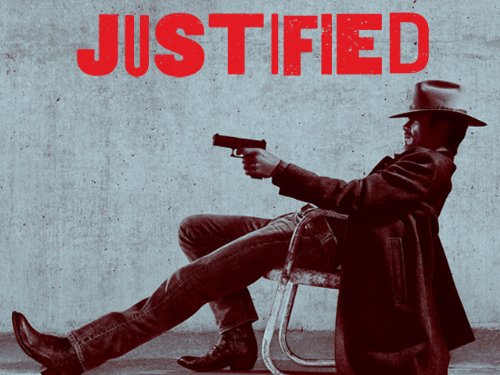
5. Justified (FX)
Justified is downright masterful when it comes to activating our pleasure centers…
Between the mysteries, gunfights, hook-ups and one-liners, the show would likely be a blast even
without
its three best assets: a hero with a boatload of swagger and charisma to burn (Timothy Olyphant),
an intellectually worthy and inexplicably likeable foil (Walton Goggins) and above all,
a script that absolutely crackles. Each and every time the Deputy U.S. Marshal uses his
gift of gab to calmly dissuade an enemy from unwisely drawing on him (which happens a LOT),
he is hands-down the coolest cucumber on TV.
4. Breaking Bad (AMC)
Although there’s an ever-present sense of dread as Walter White
marches arrogantly and unabashedly towards his own undoing,
Breaking Bad manages to keep us mesmerized with a hazy, sun-soaked look,
hypnotic, off-kilter rhythms and a giddy nihilism all its own.
Like Tony Soprano, Dexter and Larry David, Walter is a protagonist possessing flaws
the likes of which we rarely see on television… a character that practically
dares us to disassociate ourselves from his plight on a weekly basis. A descent
into darkness has never been so much fun.

3. Fringe (Fox)
Though it had its up and downs in terms of story,
Fringe always managed to strike an equal balance between sci-fi nerdiness and genuine,
human emotion… And perhaps most impressively, right through to the very end of
its highly rewarding finale, in a way that even JJ Abrams’
previous masterpiece,
LOST, wasn’t entirely able to maintain. Add to that a powerfully varied
performance by John Noble that served as the heart and soul of the show, along with some of the best production
values on TV, and geeks finally had another program to watch with pride.
2. Homeland (Showtime)
Despite a few plot contrivances that bordered on ridiculous,
Homeland has continued to
maintain a level of suspense from one episode to the next that most shows don’t manage to reach
in even their best, fleeting moments. Built around two intense performances that constantly
leave us second-guessing our instincts, as well as faith in our heroes, the addictive nature
of
Homeland can be a bit frightening.

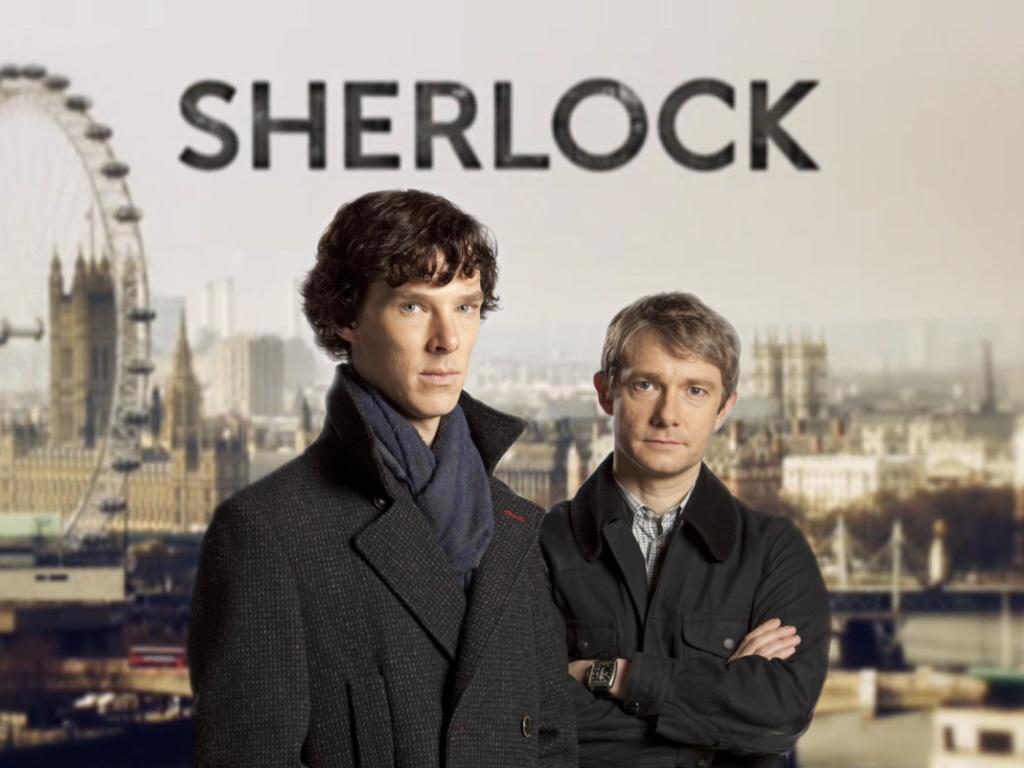
1. Sherlock (BBC)
In an era when the internet can turn anyone into an instant detective and threatens
to take the mystery out of everything, it’s all the more impressive that
Sherlock
manages to resurrect and modernize its main character without sacrificing any of
the romanticism that made him beloved in the first place. This
beautifully shot program also benefits greatly from the 90 min. running time of its episodes,
revealing enough space to explore equally the cleverly designed puzzles as well as the wonderful
relationship between Watson and Holmes, one that we sense is just beginning to reveal its complexities.
Sherlock is the best show on television, period.